
Heat Pump Repair Services: Heating and Cooling Restored. Fast. Right.
A heat pump is one of the most efficient home comfort systems available, providing both heating and cooling from a single unit. But when it stops working properly, it creates a problem in any season. Not heating in winter. Not cooling in summer. Running constantly without reaching temperature. Icing up when it should be defrosting.
Heat pump problems are different from furnace problems and different from standard AC problems because heat pumps operate in ways unique to their technology. Diagnosing them correctly requires understanding how the system works in both heating and cooling modes and recognizing the specific failure patterns heat pumps develop.
Power Electrical, Heating & Cooling Services provides professional heat pump repair for homeowners across the Denver metro area. Our licensed HVAC technicians diagnose heat pump problems accurately and repair them correctly, so your system gets back to delivering the efficient comfort it was designed for.
Why Heat Pump Repair Requires Specific Knowledge
Heat pumps are fundamentally different from furnaces and standard AC systems, and repairing them correctly requires understanding those differences.
The reversing valve is the component that makes a heat pump unique. It's the four-way valve that reverses refrigerant flow direction, switching the system between heating and cooling modes. When the reversing valve fails or sticks, the system can become locked in one mode, lose heating or cooling capacity, or behave erratically in ways that are easy to misdiagnose. Understanding reversing valve operation and failure patterns is essential for accurate heat pump diagnosis.
The defrost cycle is another heat pump-specific function that confuses many homeowners and even some technicians. Heat pumps extract heat from outdoor air during winter, which can cause the outdoor coil to ice over during Colorado weather conditions. The system is designed to periodically reverse into cooling mode briefly to melt that ice. This is completely normal operation.
A heat pump actively running a defrost cycle is functioning correctly. A heat pump with a failed defrost board, however, will accumulate ice until airflow becomes blocked and system performance collapses. Knowing the difference between normal defrost operation and an actual system failure is critical to proper diagnosis.
Refrigerant behavior at altitude
Denver metro's elevation affects refrigerant pressures and overall system performance in ways that require experience to interpret accurately. Pressure readings that indicate problems at sea level may fall within normal operating ranges in Colorado, and vice versa.
Electrical complexity
Heat pumps contain more electrical components than traditional heating systems, including reversing valve solenoids, defrost boards, dual capacitors, and more complex thermostat wiring configurations.
Our advantage is simple: we handle both HVAC and electrical work. When a heat pump failure includes an electrical issue, we diagnose and repair everything during the same visit without involving a second company.
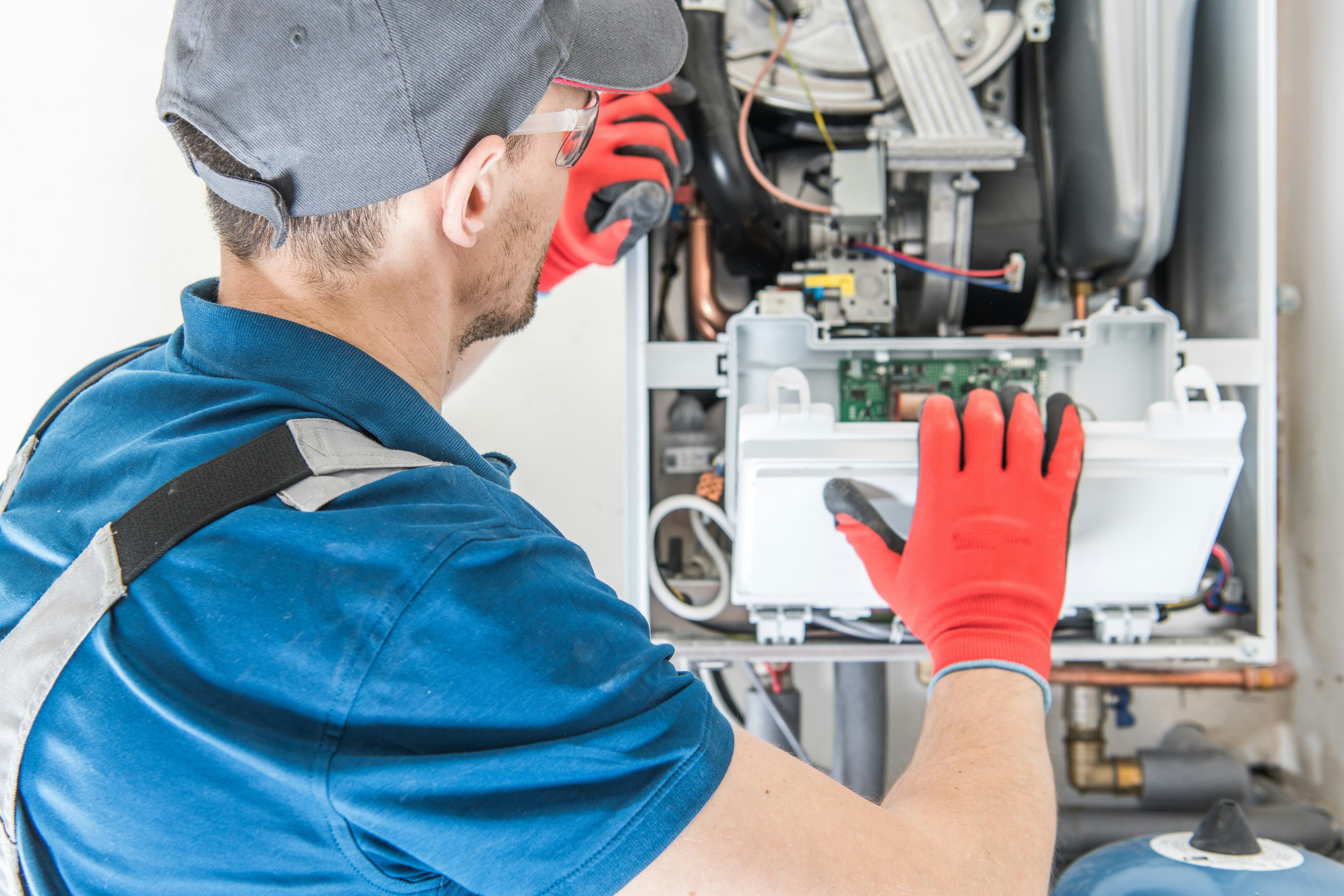
Heating and cooling issues solved in one visit.
Book Now
Common Heat Pump Repairs We Perform
• Refrigerant leak detection and recharge: Low refrigerant reduces heating and cooling performance and can eventually damage the compressor if ignored.
• Reversing valve repair and replacement: When the reversing valve fails, the system may become stuck in one operating mode or lose efficiency in both modes.
• Capacitor replacement: Heat pumps rely on dual capacitors for both compressor and fan motor operation. Weak capacitors cause startup problems and poor performance.
• Defrost board diagnosis and replacement: Failed defrost boards allow outdoor coils to ice over completely, restricting airflow and collapsing system performance.
• Contactor replacement: Worn contactors can prevent startup or create intermittent operation issues.
• Electrical connection repairs: Loose or corroded connections at the disconnect, control board, or reversing valve solenoid can cause intermittent failures and efficiency loss.
• Fan motor repair and replacement: Indoor or outdoor fan motor failures create airflow issues and system shutdowns.
• Thermostat and control wiring repairs: Heat pump thermostat wiring is more complex than furnace wiring. Incorrect wiring or failed connections create switching problems and system lockouts.
• Compressor diagnosis: If your compressor is failing, we'll give you honest repair-versus-replacement recommendations.
• Outdoor unit repairs: Coil damage, debris buildup, and outdoor electrical component failures professionally diagnosed and repaired.
Your Service Process
- Rapid emergency response within hours
- Comprehensive system diagnosis and assessment
- Transparent pricing with detailed explanations
- Expert repair using quality replacement parts
- Thorough testing and performance verification
- Professional cleanup and maintenance recommendations
- Follow up service to ensure continued operation
Common Heat Pump Problems We Fix
Sound Familiar? Here's What We Diagnose and Repair.
• Heat pump running but not heating the home effectively
• System blowing cool or lukewarm air in heating mode
• Home taking much longer than normal to reach set temperature
• Heat pump struggling during cold Colorado weather
• Backup heat running constantly because the system can't keep up on its own
• Heat pump running but not cooling effectively
• System blowing warm air in cooling mode
• Uneven cooling throughout the home
• System short cycling during cooling mode
• Heat pump running constantly without reaching set temperature
• System not switching between heating and cooling modes
• Outdoor unit frozen or iced up
• System short cycling and repeatedly starting and stopping
• Heat pump not turning on at all
• System locked out and unable to restart
• Weak airflow from vents throughout the home
• Reduced airflow despite the system appearing to run normally
• Uneven temperatures between rooms or floors
• Loud grinding or squealing noises from the outdoor unit
• Rattling or vibrating during operation
• Clicking that continues beyond normal startup and shutdown
• Gurgling or bubbling sounds from refrigerant lines
• Thermostat not communicating properly with the heat pump system
• System not responding to thermostat mode changes
• Circuit breaker tripping when the heat pump runs
• Error codes displayed on the thermostat or air handler
If your heat pump isn't performing the way it should, call us. We find the actual cause.
EXCELLENT
Based on 224 reviews

Nikki H.
We were lucky to have found Power Electrical. They have been an incredible asset to our property management company and do a great job in everything they do. Pricing is fair and communication is always clear and consistent. We highly recommend them for any of your needs and look forward to using them for many years to come.
Feb 24, 2026

Ryan S.
I’ve been doing business with Power Electrical Services for years. Owner is a stand up guy. Great service for a fair price. Always great communication. Respectful of your space and time. Don’t waste your time calling other electricians.
Feb 24, 2026

Kelley G.
Power Electrical was very communicative, quick and efficient. Quick and easy removal of Christmas lights.
Feb 24, 2026

Holly
I would highly recommend this electric company for any issue you may be having, the scheduling is fast and efficient and Lance had my faulty outlet back to working order fixing things that have not been working since I moved in a matter of minutes. Very friendly, personable and knowledgeable staff. Thank you Power electrical.
Feb 24, 2026

Audrey R.
Excellent as always! Power Electric is my go to!
Feb 24, 2026

W B.
Joey came out and did a fantastic job looking over and cleaning my system for the winter. I had someone come out earlier in the year, but it felt more like he was trying to get me to buy a new system than help with my existing. Joey looked over the system, gave a few small but very helpful suggestions, and cleaned it. Could not recommend these folks enough.
Feb 24, 2026

Matt O.
Dino, Isaiah, and Joey came to replace my old electrical panel and were awesome! Everything went smoothly, they were super knowledgeable and personable as well as professional. The price was fair, too. They are now going to be my primary electrical company going forward. Overall, I highly recommend Power Electrical Services for all your electrical needs! 5 stars across the board!
Feb 24, 2026

Kadence P.
The power electric team is phenomenal when it comes to customer service. They are friendly, kind, and extremely empathetic! Thank you all for your hardwork!
Feb 24, 2026

Luis M.
Installed electrical outlet - Lance completed the job professionally and took outmost care of the installation. Outstanding Job.
Feb 24, 2026

Joseph W.
I had power electric come out for a troubleshoot on my electrical system. They were professional, knowledgeable and efficient. They came out troubleshot, quoted repairs and performed repairs with a warranty. Couldn’t be happier!
Feb 24, 2026

Tyler S.
Very careful and efficient work from Isiah and Lance in replacing our electrical panel.
Feb 24, 2026

Kenny B.
I had purchased an oven and needed an outlet swap as soon as possible. Lance came out right at the beginning of the service window, was very thorough during the estimate procedure and was extremely knowledgeable and answered a lot of questions I had about my circumstance. Couldn't be happier with the communication and service performed. I will definitely utilize this company again in the future.
Feb 24, 2026

Max S.
Michael was great! High quality work and awesome communication
Feb 24, 2026

Cara W.
As always, amazing craftsmanship, customer service and pricing.
Feb 24, 2026

Heidi H.
Update April 2026: Joey came back for Spring A/C service and did a nice job. Good work at a good price. We like this company and will continue to use them. Previous: Just moved into our new (2000 build) house and Joey came out to do winter maintenance on our furnace. This company was recommended from the former owner. Joey was professional, polite and very helpful - showing me how to change the furnace filter and the humidifier pad. He cleaned out the furnace, inspected the system, (which is newer) and told me everything was in good shape – didn’t try to sell me anything extra. I like them and will use them again.
Feb 24, 2026
Financing Options
We offer financing options to help you get the job done. Please contact us for more information.
Service Plan Memberships
We offer financing options to help you get the job done. Please contact us for more information.
Areas we Serve
The Heat Pump Repair Services Professionals
Honest Answer: Here's How We Think About It.
Repair is almost always the right choice when:
• Your system is less than 10 years old and otherwise in good condition
• The repair involves common components such as capacitors, contactors, defrost boards, or reversing valves
• Repair costs are significantly lower than 50% of replacement cost
• The system has been professionally maintained
Replacement deserves serious consideration when:
• Your system is 15 years old or older and experiencing a major failure
• The compressor has failed, which is often the most expensive heat pump repair
• Repair costs approach or exceed 50% of replacement cost
• Multiple repairs have occurred within a short period
• A newer high-efficiency heat pump qualifies for federal tax credits and Xcel Energy rebates that significantly offset installation cost
On the rebate opportunity
Unlike gas furnaces, heat pumps currently qualify for substantial incentives in Colorado. The federal Inflation Reduction Act provides tax credits of up to 30% on qualifying heat pump installations. Xcel Energy also offers rebates on qualifying cold-climate heat pump equipment.
If your system is aging and moving toward replacement territory, the rebate landscape makes replacement more financially attractive than it would be for a standard furnace.
We'll give you honest numbers on both scenarios.
Learn more about our heat pump installation services here.
• We respond promptly, with same-day service available for heating and cooling failures
• We diagnose the actual problem accurately in both heating and cooling modes as needed
• We explain clearly what we found and what it takes to repair it
• We provide transparent upfront pricing before work begins
• We complete repairs correctly using quality replacement parts
• We test the affected mode and the opposite mode before considering the repair complete
• We stand behind our work with a warranty
We don't guess. We fix the problem.
• Electrical + HVAC Under One Roof: Heat pump failures frequently involve electrical components such as reversing valve solenoids, defrost boards, capacitors, and control wiring. We handle both trades in one visit with no second company required.
• Family-Owned & Operated: A local team that genuinely cares about restoring your comfort.
• Licensed & Insured: Licensed HVAC technicians on every repair call.
• Accurate Diagnosis First: We understand how heat pumps operate in both heating and cooling modes and diagnose systems accordingly.
• No Upselling: We repair what actually needs repairing and provide honest replacement guidance when rebates make replacement financially smarter.
• Transparent Pricing: You know the cost before we begin work. No surprise invoices.
• 5.0-Star Rating With 202 Reviews: Our customers speak for themselves.
Heating and cooling issues solved in one visit.
1. Why is my heat pump blowing cold air in heating mode?
A heat pump blowing cold air during heating mode is one of the most common service calls we receive, and several different issues can cause it.
First, confirm your thermostat is set to heating mode and not accidentally switched to cooling. If the thermostat settings are correct, common causes include low refrigerant levels, a stuck or failed reversing valve, a defrost cycle currently running, or a failed defrost board allowing the outdoor coil to ice over.
Each problem requires different diagnostic procedures and different repairs. We'll identify the actual cause accurately.
2. Why is my heat pump running constantly?
A heat pump running constantly without reaching temperature is working harder than it should.
During extreme cold weather, longer run times can be normal. However, continuous operation during mild conditions may indicate low refrigerant, airflow restrictions, icing issues, improper sizing, or reversing valve problems.
Extended operation places additional stress on the compressor and other major system components. If your system runs continuously in conditions where it shouldn't need to, it deserves professional evaluation.
3. Why is my heat pump outdoor unit frozen?
Some frost or ice buildup during cold weather is completely normal for heat pumps. Your system periodically enters a defrost cycle to melt accumulated ice before returning to heating mode.
Steam rising from the outdoor unit during defrost is also normal.
What isn't normal is an outdoor unit completely encased in ice, ice that never clears after defrost, or ice buildup extending across the cabinet instead of remaining limited to the coil fins.
These conditions usually indicate a failed defrost board, refrigerant issue, or airflow restriction.
4. What is a reversing valve and what happens when it fails?
The reversing valve is the component that allows a heat pump to switch between heating and cooling modes by reversing refrigerant flow direction.
When the reversing valve fails or sticks, the system may become locked in heating mode, locked in cooling mode, or lose efficiency in both operating modes.
Diagnosing reversing valve issues requires testing the system in both heating and cooling operation to evaluate performance accurately.
5. Do heat pumps work in Colorado winters?
Yes. Modern cold-climate heat pumps perform significantly better in Colorado winters than older-generation systems.
Many current systems operate efficiently down to 0 degrees Fahrenheit and continue producing meaningful heating capacity below that range.
Colorado's climate falls well within the operating capability of properly selected and properly installed cold-climate heat pump equipment.
6. Should I repair or replace my heat pump?
The answer depends on system age, repair cost, failure type, maintenance history, and available rebates.
Systems under 10 years old with common component failures almost always make sense to repair. Systems 15 years old or older facing compressor failure often make stronger financial sense to replace, especially considering current federal tax credits and Xcel Energy rebates.
We provide honest numbers for both repair and replacement scenarios so you can make an informed decision.
7. How is heat pump repair different from furnace repair?
Heat pumps operate in both heating and cooling modes, making diagnosis more complex than standard furnace systems.
They contain unique components such as reversing valves and defrost boards and rely heavily on refrigerant performance, pressure analysis, and more advanced thermostat wiring configurations.
Some heat pump behaviors that appear abnormal, including defrost cycles, steam production, and longer winter run times, are actually normal operating characteristics.
Proper diagnosis requires understanding how the system behaves across all operating modes.
Related Services
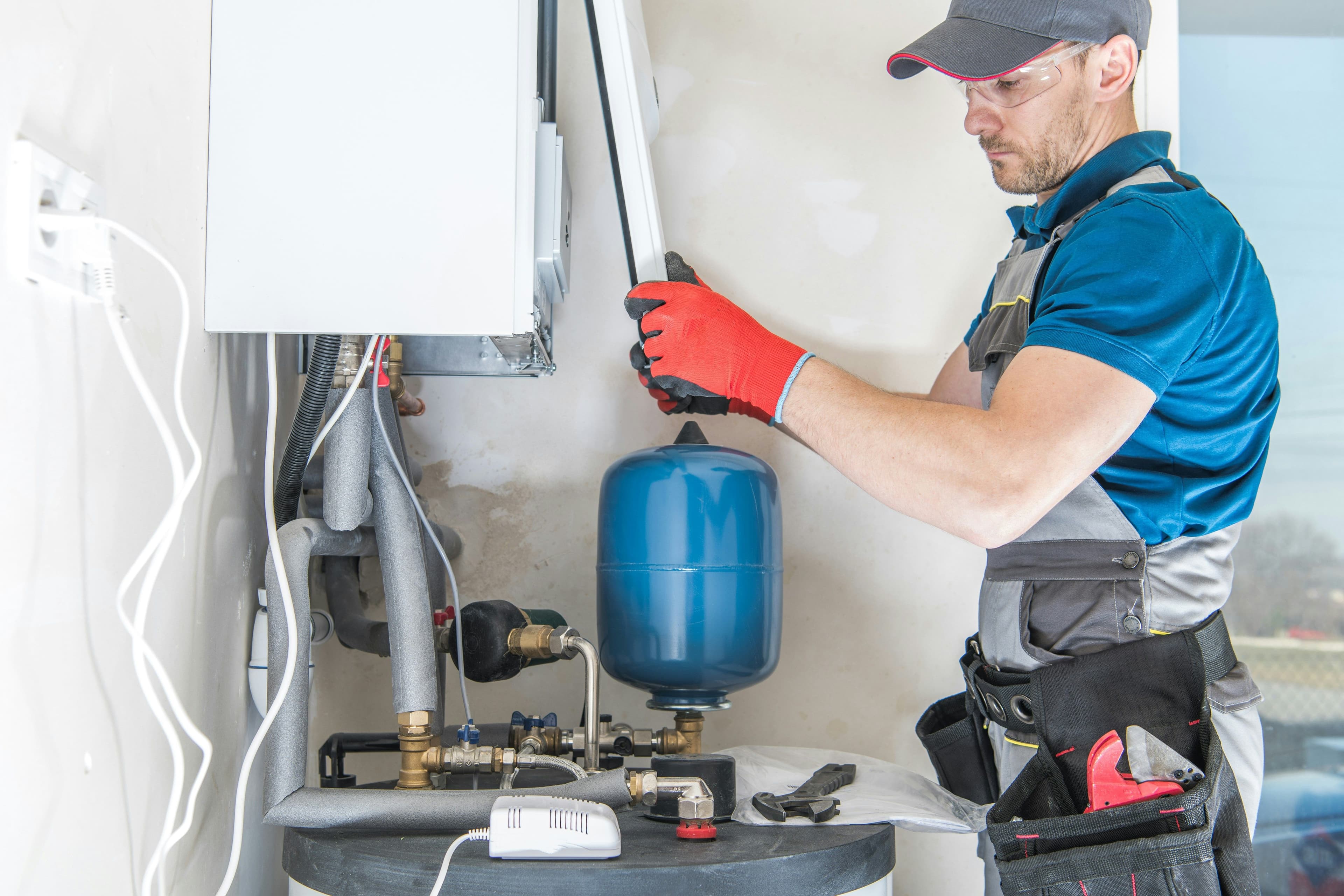
Heat Pump Not Working? Let's Get It Fixed.
Whether your system isn't heating, isn't cooling, or isn't switching modes, call us and we'll diagnose it accurately and repair it correctly.