
Why Your Lights Are Flickering (And When It’s a Serious Electrical Problem)
If your lights flicker every now and then, you might not think much of it.
Read post →Wiring
Electrical
Wiring
Electrical
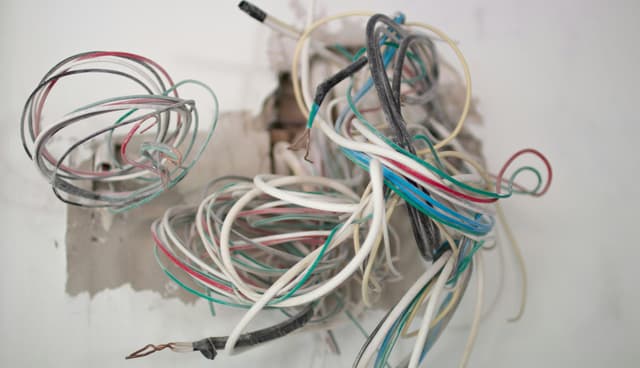
Most homeowners don’t think about their wiring… because you don’t see it.
But behind your walls, your electrical system is working every single day — and when something isn’t right, it usually gives you signs.
The problem is… most people ignore them.
We’ve seen this across homes in Thornton, Northglenn, Westminster, Brighton, Commerce City, and Broomfield — and a lot of the time, it starts small before turning into something serious.
What Makes Electrical Wiring Unsafe?
Unsafe wiring usually comes down to:
And once wiring starts to break down, it doesn’t fix itself.
Warning Signs Your Wiring May Not Be Safe
These are the biggest red flags we see in the field:
1. Burning Smell or Discolored Outlets
If you notice:
That’s a serious warning sign.
2. Frequent Breaker Trips
If your breakers trip often, your wiring could be overloaded or deteriorating.
This ties directly into system safety.
3. Flickering or Dimming Lights
Lights that flicker or dim can point to:
4. Outlets That Don’t Work
Dead outlets aren’t just inconvenient.
They can be a sign of wiring failure behind the wall.
5. Buzzing Sounds from Walls or Outlets
Electricity should be silent.
If you hear buzzing:
6. Old or Outdated Wiring
Older homes may have:
These systems weren’t built for today’s demand.
Why This Is Common in Homes Around Here
Many homes in Thornton, Westminster, and Northglenn were built decades ago.
Back then:
Now?
Everything runs on electricity — and older wiring struggles to keep up.
How Unsafe Wiring Gets Fixed
[INSERT IMAGE HERE – Electrician repairing wiring]
Depending on the issue, solutions may include:
The goal is always safety first.
What You Should Do Next
If you’re noticing any of these warning signs, don’t ignore them.
Electrical issues don’t usually go away — they get worse over time.
Call Power Electrical, Heating & Cooling Services
Serving Brighton, Commerce City, Thornton, Northglenn, Westminster, and Broomfield
We’ll inspect your system, explain what’s going on, and fix it safely.
FAQ (AEO OPTIMIZED)
How do I know if my home wiring is unsafe?
Common signs include burning smells, flickering lights, dead outlets, buzzing sounds, and frequent breaker trips.
Is old wiring dangerous?
Yes. Older wiring may not be able to handle modern electrical demand and can pose safety risks if not updated.
Can faulty wiring cause a fire?
Yes. Damaged or overloaded wiring is one of the leading causes of electrical fires.
How much does it cost to fix wiring issues?
Costs vary depending on the problem. Minor repairs are typically affordable, while full rewiring projects cost more.
Should I replace wiring in an older home?
If the wiring is outdated or showing signs of wear, replacement is often recommended for safety and reliability.
If your lights flicker every now and then, you might not think much of it.
Read post →
Every year, homeowners face the same question:
Read post →
Most homeowners only think about their HVAC system when something breaks.
Read post →
You plug something in… and nothing happens.
Read post →
Most homeowners don’t think about their wiring… because you don’t see it.
Read post →
If your HVAC system starts making strange noises, it’s usually not something to ignore.
Read post →
If you’re thinking about hiring a professional for holiday lighting…
Read post →
Every year, homeowners wait too long…
Read post →
If your energy bills keep going up, you’re not imagining it.
Read post →
You turn on your AC… and the house is still warm.
Read post →
Most homeowners don’t think about their electrical panel… until something starts going wrong
Read post →
If your breaker keeps tripping, it’s not just annoying — it’s your electrical system doing exactly…
Read post →
One of the first questions homeowners ask is: “How much is this going to cost me?”
Read post →
When your furnace stops heating, it’s not something you can ignore — especially during cold months.
Read post →