
Ventilation Solutions: Fresh Air In. Stale Air Out. Better Living.
Modern homes are built tighter than ever, and in Colorado that's intentional. Tight construction keeps your heating and cooling inside where it belongs and your energy bills manageable. But there's a trade-off most homeowners don't think about until they start noticing the symptoms.
When a home is sealed tightly against the elements, it's also sealed against fresh air. Every breath you and your family take inside your home recirculates the same air, accumulating carbon dioxide, volatile organic compounds from furniture and cleaning products, moisture from cooking and bathing, allergens, pet dander, and pollutants that have infiltrated from outside.
Without adequate fresh air exchange, those concentrations build and the air quality inside your tightly sealed energy-efficient home gets progressively worse throughout the day.
The solution isn't opening windows and defeating your HVAC system. The solution is a properly designed mechanical ventilation system that brings in controlled amounts of fresh outdoor air that is filtered, conditioned, and humidity-balanced without sacrificing the energy efficiency your home was built to achieve.
Power Electrical, Heating & Cooling Services installs AprilAire ventilation solutions for homeowners across the Denver metro area. Energy Recovery Ventilators, Heat Recovery Ventilators, and fresh air systems that solve the tight home ventilation problem through professional installation and integration with your existing HVAC system.
Why Ventilation Matters: The Tight Home Problem in Castle Rock
What's Happening Inside Your Sealed Colorado Home
The push toward energy-efficient construction has created homes that are dramatically better at retaining conditioned air than homes built a generation ago. That's genuinely good for lower energy bills, more consistent temperatures, and better comfort. But energy efficiency and indoor air quality exist in tension with each other.
Here's what accumulates inside a tightly sealed home without proper ventilation:
Carbon Dioxide (CO2)
Every person in your home exhales CO2 continuously. In a well-ventilated home, CO2 concentrations stay low and manageable. In a tightly sealed home, CO2 levels rise throughout the day, causing headaches, fatigue, difficulty concentrating, and poor sleep quality.
Many homeowners attribute these symptoms to stress or illness when the real cause is elevated CO2 levels inside their sealed home.
Volatile Organic Compounds (VOCs)
Furniture, flooring, paint, cleaning products, personal care products, and building materials all off-gas VOCs into your indoor air.
In a ventilated home, these compounds dilute quickly. In a sealed home, they accumulate, contributing to headaches, respiratory irritation, and long-term air quality concerns.
Moisture
Cooking, bathing, breathing, and houseplants all add moisture to indoor air.
Without adequate ventilation, moisture accumulates and creates unhealthy humidity imbalances throughout the home. In Colorado, this often means elevated humidity in living spaces while lower levels and basements remain excessively dry.
Allergens & Particulates
Pet dander, dust mites, mold spores, and outdoor pollutants that infiltrate your home continuously recirculate through your HVAC system without fresh air dilution.
Proper ventilation introduces filtered outdoor air that helps dilute indoor pollutant concentrations.
Wildfire Smoke
Colorado wildfire seasons continue to intensify.
Homes that are tightly sealed against smoke infiltration often trap smoke particles indoors once they enter the home. Proper ventilation systems with integrated filtration help manage smoke events far more effectively than simply keeping windows closed.
Lingering Odors
Cooking odors, pet odors, and general household smells that would dissipate naturally in older homes often linger in tightly sealed modern homes.
These odors slowly become the background smell of the home even when homeowners stop noticing them themselves.
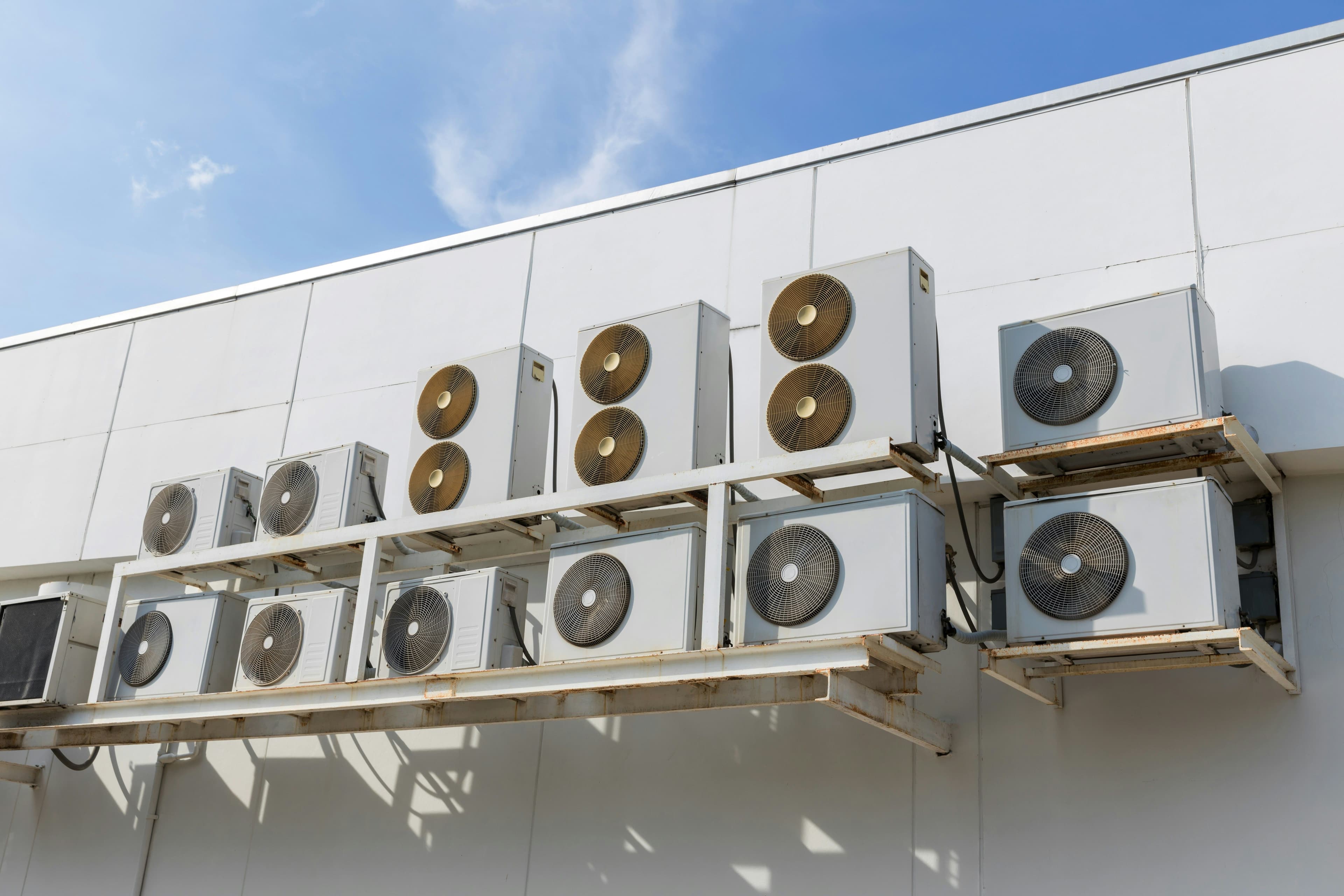
Fresh air in. Stale air out. Better living.
Book Now
Why Colorado Specifically Needs Proper Ventilation
Colorado's combination of energy-efficient construction, extreme climate, and environmental conditions makes mechanical ventilation more important here than in many other parts of the country.
Energy-Efficient Construction
Colorado building codes continue pushing homes toward tighter construction standards.
The Model Low Energy and Carbon Code taking effect July 1, 2026, pushes efficiency standards even further. Tighter homes require controlled mechanical ventilation.
There's no way around it.
Altitude
Denver metro's elevation means the air already contains less oxygen per breath than at sea level.
CO2 buildup becomes more noticeable in tightly sealed high-altitude homes. Proper ventilation maintains healthy fresh air exchange regardless of elevation.
Wildfire Smoke Seasons
Colorado wildfire smoke seasons have intensified dramatically.
Homes sealed tightly against smoke infiltration still need fresh air exchange without introducing large amounts of smoke-laden outdoor air. AprilAire ventilation systems can integrate filtration solutions that help manage smoke conditions while maintaining indoor air quality.
Long Heating Season
Colorado homes remain sealed for nearly six months every year during heating season.
Six months of recirculating the same indoor air without adequate ventilation creates significant indoor air quality problems many homeowners don't recognize until symptoms improve after proper ventilation is installed.
Your Service Process
- Rapid emergency response within hours
- Comprehensive system diagnosis and assessment
- Transparent pricing with detailed explanations
- Expert repair using quality replacement parts
- Thorough testing and performance verification
- Professional cleanup and maintenance recommendations
- Follow up service to ensure continued operation
Our Ventilation Solutions
Powered by AprilAire | Professional Whole-Home Ventilation
The Right Choice for Most Colorado Homes
An Energy Recovery Ventilator is a whole-home mechanical ventilation system that simultaneously exhausts stale indoor air while bringing in fresh outdoor air and recovering both heat energy and moisture from the outgoing air stream.
That recovered heat and moisture are transferred into the incoming fresh air before it enters your home.
Why This Matters in Colorado
During Colorado winters, outdoor air is both freezing cold and extremely dry.
Without Energy Recovery:
• Your HVAC system must fully reheat freezing outdoor air
• Heating costs increase significantly
• Dry outdoor air strips humidity from your home
• Your humidifier works overtime trying to compensate
An AprilAire ERV solves both problems simultaneously.
Incoming air arrives:
• Pre-warmed
• Pre-humidified
• Filtered
• Balanced for healthier indoor comfort
This dramatically reduces HVAC strain while improving indoor air quality and humidity stability.
AprilAire ERV Benefits
• Fresh filtered outdoor air introduced throughout the home
• Stale CO2-heavy indoor air exhausted continuously
• Heat recovery helps reduce heating costs
• Moisture recovery protects humidity balance in Colorado's dry climate
• Automatic operation with minimal homeowner involvement
• Integrated directly with your existing HVAC system
• Filtration helps reduce allergens, smoke particles, and airborne particulates
For Colorado homes, ERVs are almost always the best solution because moisture recovery is critical in our dry climate.
An HRV operates similarly to an ERV by exhausting stale indoor air while introducing fresh outdoor air and recovering heat energy from the outgoing air stream.
The key difference:
HRVs transfer heat only. They do not transfer moisture.
When HRVs Make Sense
• Homes in humid climates
• Specific applications where moisture transfer is not appropriate
• Specialized indoor air quality situations determined during evaluation
For most Denver metro homeowners, ERVs remain the better choice because they maintain healthier humidity levels during Colorado winters.
Some homes simply need controlled fresh air introduction without the full complexity of an ERV or HRV system.
AprilAire fresh air systems introduce measured amounts of outdoor air into your HVAC return system where the air is:
• Filtered
• Conditioned
• Distributed evenly throughout the home
Fresh air systems are often a more straightforward and affordable option for homes primarily needing fresh air dilution rather than full heat and moisture recovery.
These are the most common symptoms Denver metro homeowners describe:
• Headaches or fatigue that improve outdoors
• Stuffy or stale-feeling air
• Lingering cooking odors
• Persistent pet odors
• Condensation on windows during winter
• Musty basement smells
• Poor sleep quality
• Difficulty concentrating at home
• Worsening allergies indoors
• Air that simply feels heavy or stale
If any of these sound familiar, your home's ventilation deserves professional evaluation.
EXCELLENT
Based on 0 reviews
Financing Options
We offer financing options to help you get the job done. Please contact us for more information.
Service Plan Memberships
We offer financing options to help you get the job done. Please contact us for more information.
The Ventilation Solutions Professionals
When fresh air exchange is managed properly, everything improves.
• Reduced CO2 levels for clearer thinking and better sleep
• Reduced VOC exposure from furniture and building materials
• Better dilution of allergens and airborne pollutants
• Elimination of stale household odors
• More balanced indoor humidity levels
• Better HVAC efficiency through heat recovery
• Improved wildfire smoke management
• Better compliance with modern building standards and ventilation codes
• We evaluate your home's current airflow and air exchange
• We identify ventilation deficiencies and IAQ concerns
• We recommend the right AprilAire solution for your home
• We professionally install and integrate the system with your HVAC
• We configure airflow rates correctly for your home's size and occupancy
• We verify operation and airflow performance
• We walk you through the system before leaving
Fresh air in. Stale air out. Better living.
• AprilAire Authorized Installer: We install trusted whole-home ventilation systems designed for long-term performance
• Electrical + HVAC Under One Roof: Ventilation systems require both HVAC and electrical expertise, and we handle both in-house
• Family-Owned & Operated: A local Colorado team that understands our climate and indoor air quality challenges
• Licensed & Insured: Professional installation completed safely and fully to code
• Honest ERV vs HRV Guidance: We recommend the right solution for your home, not simply the easiest system to install
• No Upselling: We assess your actual ventilation needs and recommend practical solutions
• 5.0-Star Rating | 202 Reviews: Our customers speak for themselves
Breathe fresher air. Think more clearly. Live more comfortably.
1. What is an ERV and how does it work?
An Energy Recovery Ventilator is a whole-home ventilation system that exchanges stale indoor air for fresh outdoor air while recovering heat and moisture from the outgoing air stream.
In winter, outgoing warm humid air transfers heat and moisture to incoming cold dry air before it enters your home.
This allows continuous fresh air exchange without dramatically increasing heating costs or drying out the home.
2. What is the difference between an ERV and an HRV?
An ERV transfers both heat and moisture.
An HRV transfers heat only.
For Colorado homes, ERVs are generally the better option because they help maintain indoor humidity during extremely dry winters.
3. Why do tightly sealed homes need ventilation systems?
Modern energy-efficient homes trap pollutants, CO2, odors, and moisture indoors because they no longer naturally exchange air through leakage like older homes did.
Mechanical ventilation provides controlled fresh air exchange without sacrificing energy efficiency.
4. How do I know if my home has poor ventilation?
Common signs include headaches indoors, stale air, poor sleep, lingering odors, condensation on windows, worsening allergies, and general discomfort that improves outdoors.
Professional IAQ testing can confirm ventilation deficiencies.
5. Will an ERV make my home colder in winter?
No.
ERV systems recover most of the heat from outgoing indoor air and transfer it to incoming outdoor air. Fresh air arrives significantly pre-warmed before entering your HVAC system.
Most homeowners notice improved comfort rather than colder temperatures.
6. How does ventilation improve indoor air quality?
Ventilation continuously dilutes indoor pollutants by replacing stale indoor air with filtered outdoor air.
It helps reduce CO2 levels, VOC buildup, allergens, odors, and airborne contaminants that accumulate inside tightly sealed homes.
7. Is an AprilAire ventilation system worth it in Colorado?
For many Colorado homeowners, absolutely.
Colorado's dry climate, wildfire smoke seasons, long heating season, altitude, and increasingly tight construction standards make proper mechanical ventilation more valuable here than in many other regions.
Related Services



Ready to Improve Your Home's Ventilation? Let's Get Fresh Air Moving.
Stop recirculating the same stale air through your sealed Colorado home.
Call us for a professional IAQ evaluation and find out which ventilation solution is right for your home.