
Mini Split Repair Services: Fast, Reliable Ductless Repair When You Need It.
Your mini split system was installed to solve a comfort problem, a garage that was unbearable in summer, a basement that never stayed warm, an addition your central HVAC couldn't reach, or a room that never felt comfortable.
When the system stops working properly, that comfort problem comes back immediately.
Mini split systems are efficient and reliable, but they still develop issues over time. Error codes, refrigerant leaks, drainage problems, control failures, and electrical issues all happen. And when they do, you need a technician who understands ductless systems specifically, not someone treating every HVAC system the same way.
Power Electrical, Heating & Cooling Services diagnoses and repairs mini split systems for homeowners across the Denver metro area. We find the actual problem, repair it correctly, and restore the comfort your system was designed to provide.
Why Mini Split Repair Requires Specialized Knowledge in Cherry Hills Village
Mini split systems operate differently than traditional central HVAC systems, and repairing them correctly requires understanding those differences.
Mini splits use inverter-driven compressors that continuously adjust speed based on demand instead of simply turning on and off like traditional systems.
Diagnosing inverter-driven systems requires different testing methods and different interpretation of readings than standard HVAC equipment.
Mini split error codes are also brand-specific and model-specific. The same code can mean completely different things depending on the manufacturer.
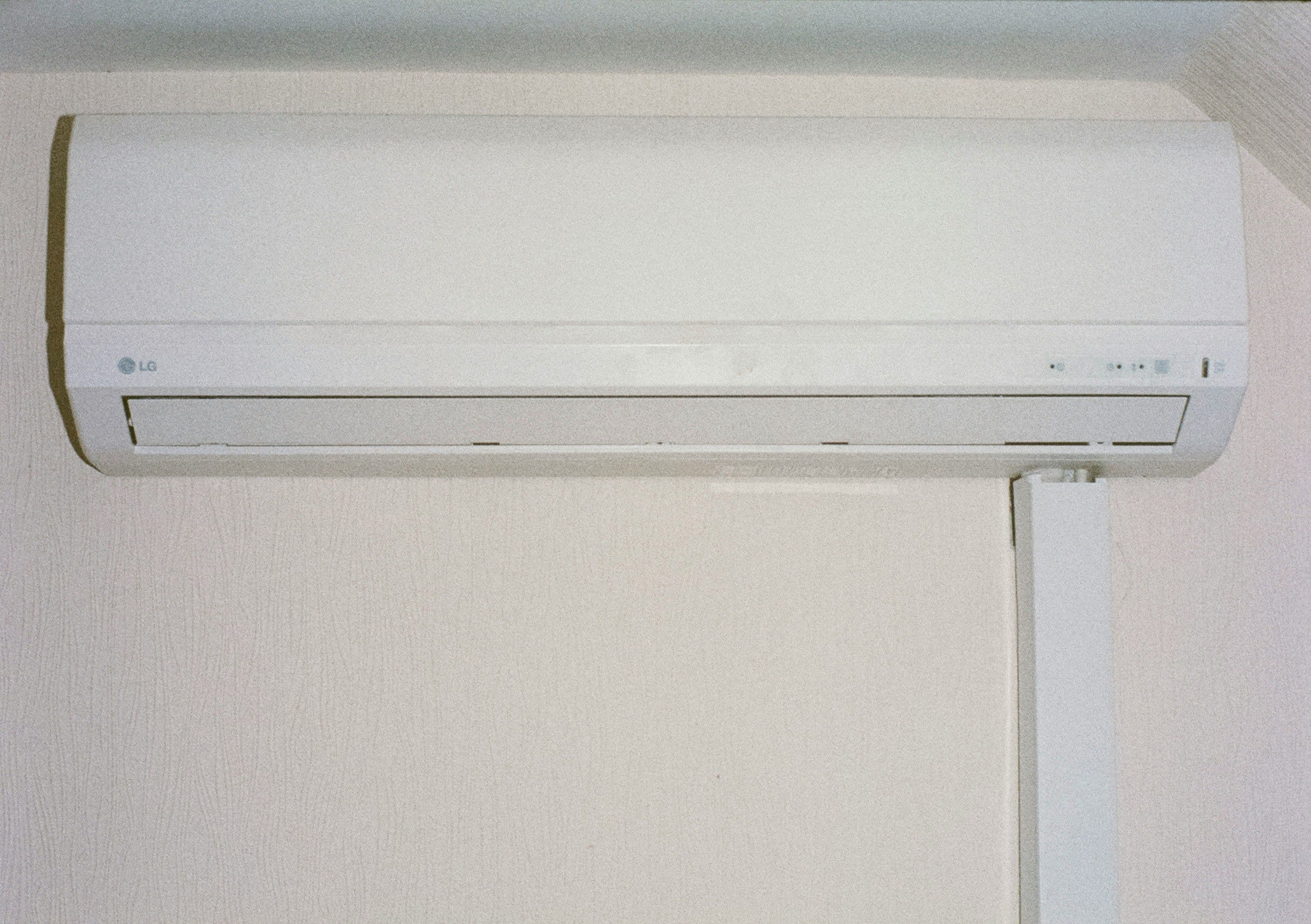
The refrigerant line set connecting the outdoor condenser to the indoor air handler is another common source of performance problems, leaks, restrictions, and drainage issues that require specialized diagnostic techniques.
And because mini splits combine HVAC components with sophisticated electronics and control systems, electrical diagnosis becomes a major part of accurate repair.
That's where our electrical + HVAC advantage matters.
When your mini split failure involves wiring, breakers, control boards, disconnects, or electrical components, we handle both the HVAC and electrical diagnosis during the same visit.
No second contractor. No finger-pointing between trades.
We don't guess. We solve the problem.
Book Now
Common Mini Split Repairs We Perform
These are the repairs our technicians handle most frequently throughout the Denver metro area.
• Refrigerant leak detection and recharge: Low refrigerant reduces performance and can damage compressors if ignored
• Capacitor replacement: Weak capacitors prevent outdoor units from starting properly
• Condensate drain clearing and repair: Blocked drains cause water leaks and potential water damage
• Control board diagnosis and replacement: Failed boards create error codes and erratic system behavior
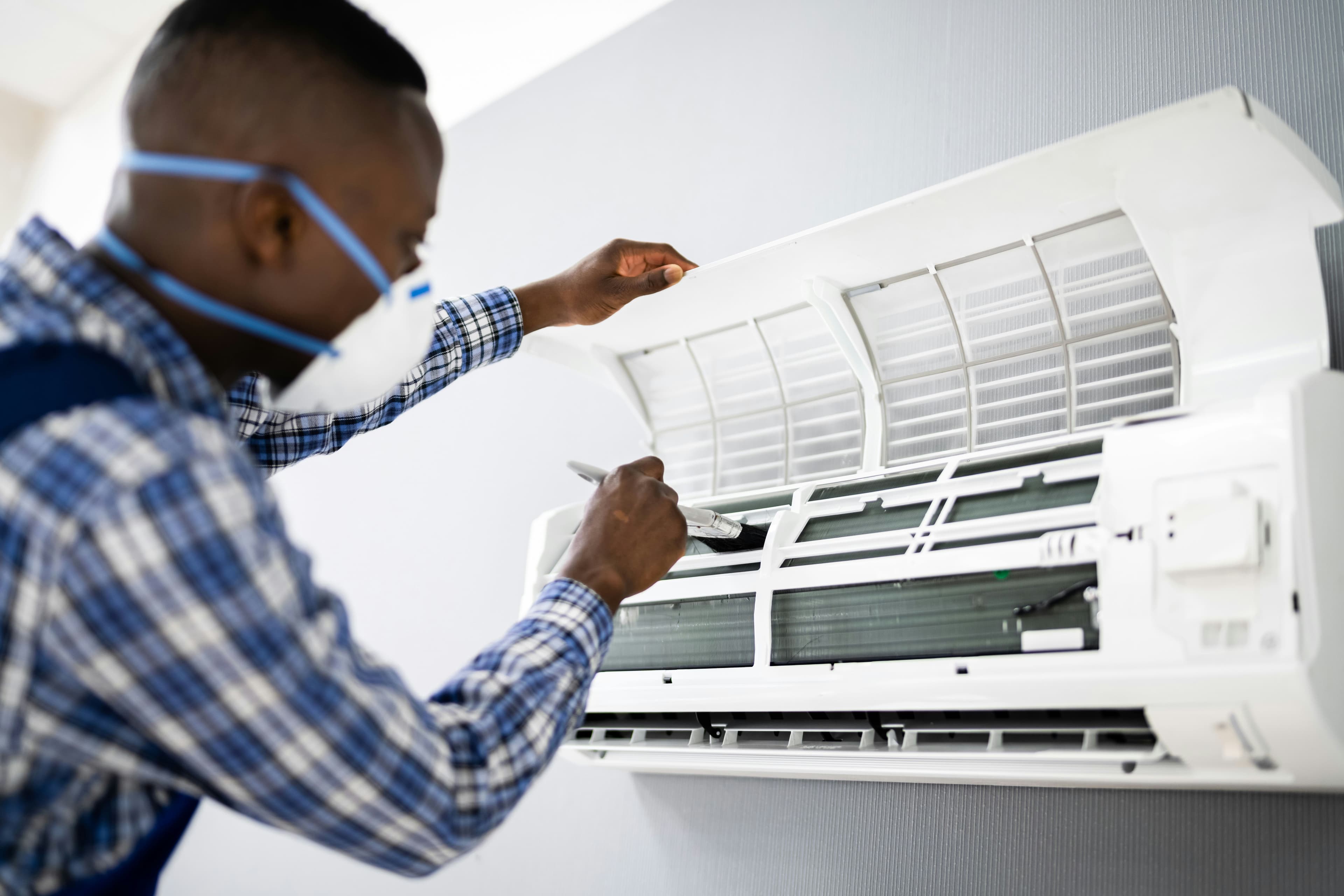
• Fan motor repair and replacement: Indoor or outdoor fan failures reduce airflow and cooling performance
• Error code diagnosis: Accurate interpretation of system-specific fault codes
• Electrical connection repairs: Loose or corroded wiring causes intermittent failures and safety concerns
• Remote control and receiver repairs: Communication problems between indoor units and remotes
• Refrigerant line repairs: Damaged or improperly installed line sets reduce efficiency and performance
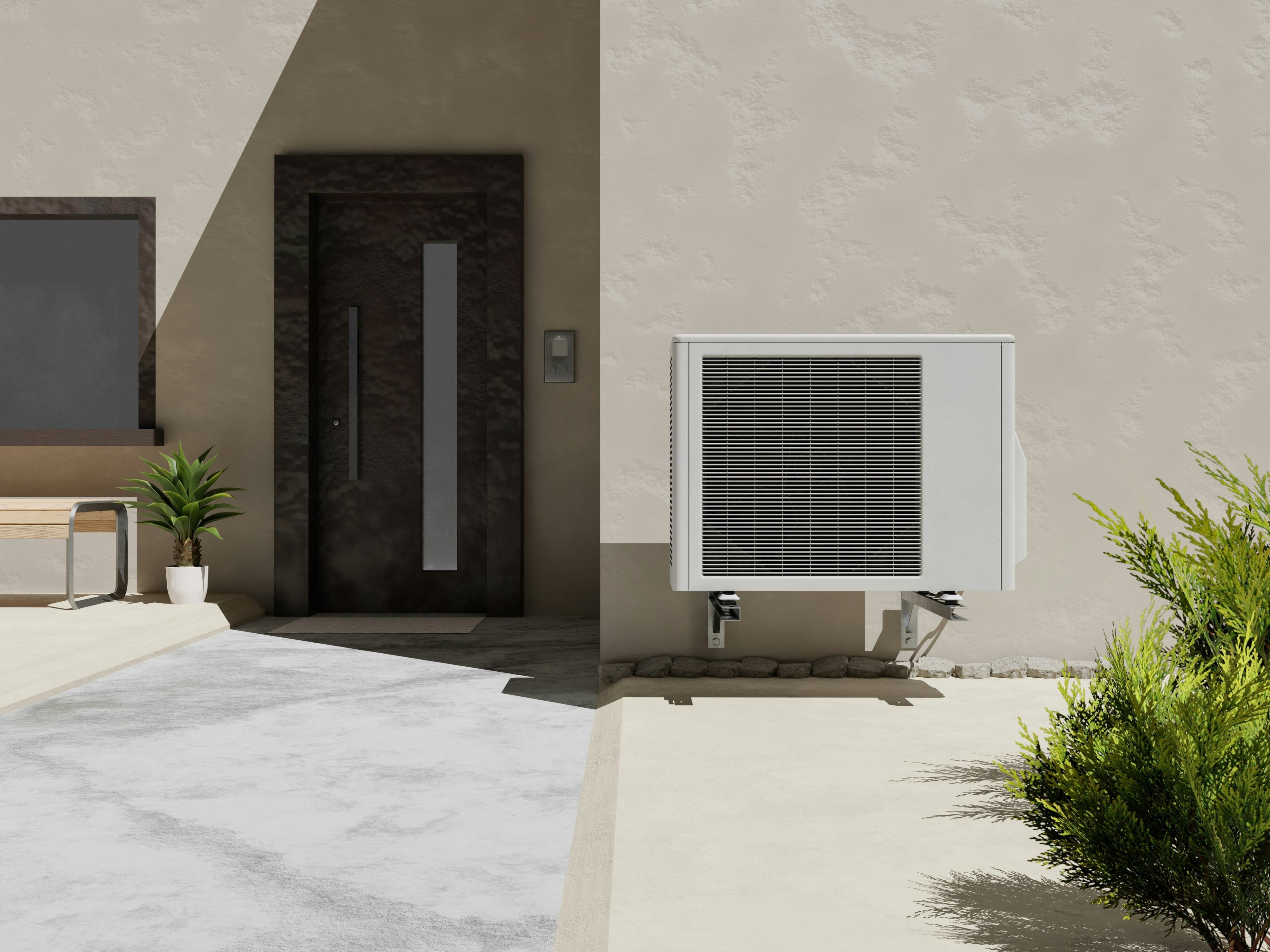
• Outdoor unit repairs: Compressor issues, coil damage, and outdoor component failures diagnosed honestly and accurately
Your Service Process
- Rapid emergency response within hours
- Comprehensive system diagnosis and assessment
- Transparent pricing with detailed explanations
- Expert repair using quality replacement parts
- Thorough testing and performance verification
- Professional cleanup and maintenance recommendations
- Follow up service to ensure continued operation
Common Mini Split Problems We Fix
Sound Familiar? Here's What We Diagnose and Repair.
• System running but not cooling or heating properly
• Blowing warm air in cooling mode
• Blowing cool air in heating mode
• System struggling during extreme temperatures
• Uneven temperatures throughout the zone
• System taking much longer than normal to reach set temperature
• Weak or reduced airflow from the indoor unit
• No airflow even though the system appears to run
• Air handler running but fan not spinning
• Airflow present but air not reaching the desired temperature
• Water leaking from the indoor air handler
• Water pooling beneath the indoor unit
• Condensate drain backing up or overflowing
• Ice buildup on indoor or outdoor components
• Loud banging or rattling from the outdoor unit
• Clicking or grinding sounds during startup
• High-pitched squealing from the indoor unit
• Excessive vibration from wall-mounted air handlers
• Gurgling sounds from refrigerant lines
• Musty or moldy smell during operation
• Burning smell from indoor or outdoor equipment
• Chemical odor near refrigerant lines
• System not responding to the remote control
• Error codes displayed on the indoor unit
• System cycling on and off repeatedly
• System won't turn on at all
• Outdoor unit running while indoor unit remains unresponsive
• Circuit breaker tripping when the system operates
If your mini split isn't working the way it should, call us. We identify the actual cause.
EXCELLENT
Based on 0 reviews
Financing Options
We offer financing options to help you get the job done. Please contact us for more information.
Service Plan Memberships
We offer financing options to help you get the job done. Please contact us for more information.
The Mini Split Repair Professionals
Honest Answer: Here's How We Think About It.
Mini split systems typically last 15 to 20 years when professionally maintained.
Repair usually makes the most sense when:
• Your system is less than 10 years old
• The repair involves common components like capacitors, fan motors, or drain lines
• Repair cost remains well below replacement cost
• The system has otherwise been maintained properly
Replacement deserves consideration when:
• Your system is 15 years old or older and experiencing major failure
• The compressor has failed, often the most expensive repair on the system
• Repair costs approach or exceed 50% of replacement cost
• Multiple repairs have occurred within a short period
• The system uses older refrigerant that's expensive or difficult to source
We'll give you honest numbers on both options.
If repair makes financial sense, we'll tell you and repair the system correctly.
If replacement makes more long-term sense, we'll explain why clearly and honestly.
Learn more about our mini split installation services here.
• We respond promptly and assess your system thoroughly before recommending repairs
• We diagnose the actual problem, including reading and interpreting error codes correctly
• We explain clearly what we found and what it takes to repair it
• We provide transparent upfront pricing before work begins
• We complete repairs correctly using quality replacement parts
• We test both heating and cooling modes before considering the job complete
• We stand behind our work with a warranty
We don't guess. We solve the problem.
• Electrical + HVAC Under One Roof: Mini split failures often involve electrical components. We diagnose and repair both trades during one visit.
• Family-Owned & Operated: A local team genuinely committed to restoring your comfort quickly.
• Licensed & Insured: Licensed HVAC technicians on every repair call.
• Accurate Diagnosis First: We identify the real cause before recommending repairs.
• No Upselling: We repair what actually needs repair and explain your options honestly.
• Transparent Pricing: You know the cost before work begins. No surprise invoices.
• 5.0-Star Rating With 201 Reviews: Our customers speak for themselves.
Targeted comfort restored, quickly and correctly.
1. Why is my mini split blowing warm air in cooling mode?
The most common causes are low refrigerant from a leak, dirty indoor coils, restricted airflow, failing capacitors, or incorrect operating mode settings.
In some Colorado spring and fall conditions, mini splits may also limit cooling operation below certain outdoor temperatures.
If checking settings and resetting the system doesn't resolve the issue, professional diagnosis is usually required.
2. What do mini split error codes mean?
Mini split error codes indicate specific system faults such as communication failures, sensor problems, refrigerant pressure issues, drain overflow detection, or electrical failures.
The meaning of each code depends on the manufacturer and model.
Accurate diagnosis requires familiarity with the specific system, not just general HVAC experience.
If your system displays an error code, don't ignore it.
3. Why is my mini split leaking water?
Most mini split water leaks are caused by clogged condensate drains.
As the system removes humidity from the air, water drains through a condensate line. When algae, dirt, or buildup blocks the line, water backs up and leaks from the indoor unit.
Frozen coils caused by low refrigerant or airflow problems can also create water leaks during thawing.
Learn more about our mini split maintenance services here.
4. Why does my mini split smell bad when it runs?
Musty odors are usually caused by biological growth on the indoor coil or in the condensate drain system.
A burning smell may indicate electrical problems with motors, wiring, or control boards and should be addressed immediately.
A chemical smell can indicate a refrigerant leak.
If you notice burning or chemical odors, stop operating the system and call us promptly.
5. How do I reset my mini split system?
Most systems can be reset by turning the system off, waiting 30 to 60 seconds, and restarting it.
A more complete reset can usually be performed by turning off the dedicated breaker for approximately one minute and restoring power.
If the error code or problem returns after reset, the system requires professional diagnosis.
Repeated resets without diagnosing the cause can create additional damage.
6. Should I repair or replace my mini split?
Systems under 10 years old with common component failures usually make sense to repair.
Older systems facing compressor failure or major refrigerant system issues often make more financial sense to replace.
We provide honest numbers on both options without pressure either way.
Learn more about our mini split installation services here.
7. Why is my mini split making loud noises?
Mini splits are designed to operate quietly, so unusual noise is usually a sign that something needs attention.
Rattling often indicates loose components or debris inside the unit. Grinding or squealing commonly points to failing fan motor bearings. Loud clicking or banging can indicate control or compressor problems.
When unusual noises appear, early diagnosis usually prevents larger repairs later.
Related Services

Mini Split Not Working? Let's Get It Fixed.
Don't lose the comfort your mini split was installed to provide.
Call us and we'll diagnose and repair your system fast.